
How Onyx Deployed Their Block Explorer with Autoscout

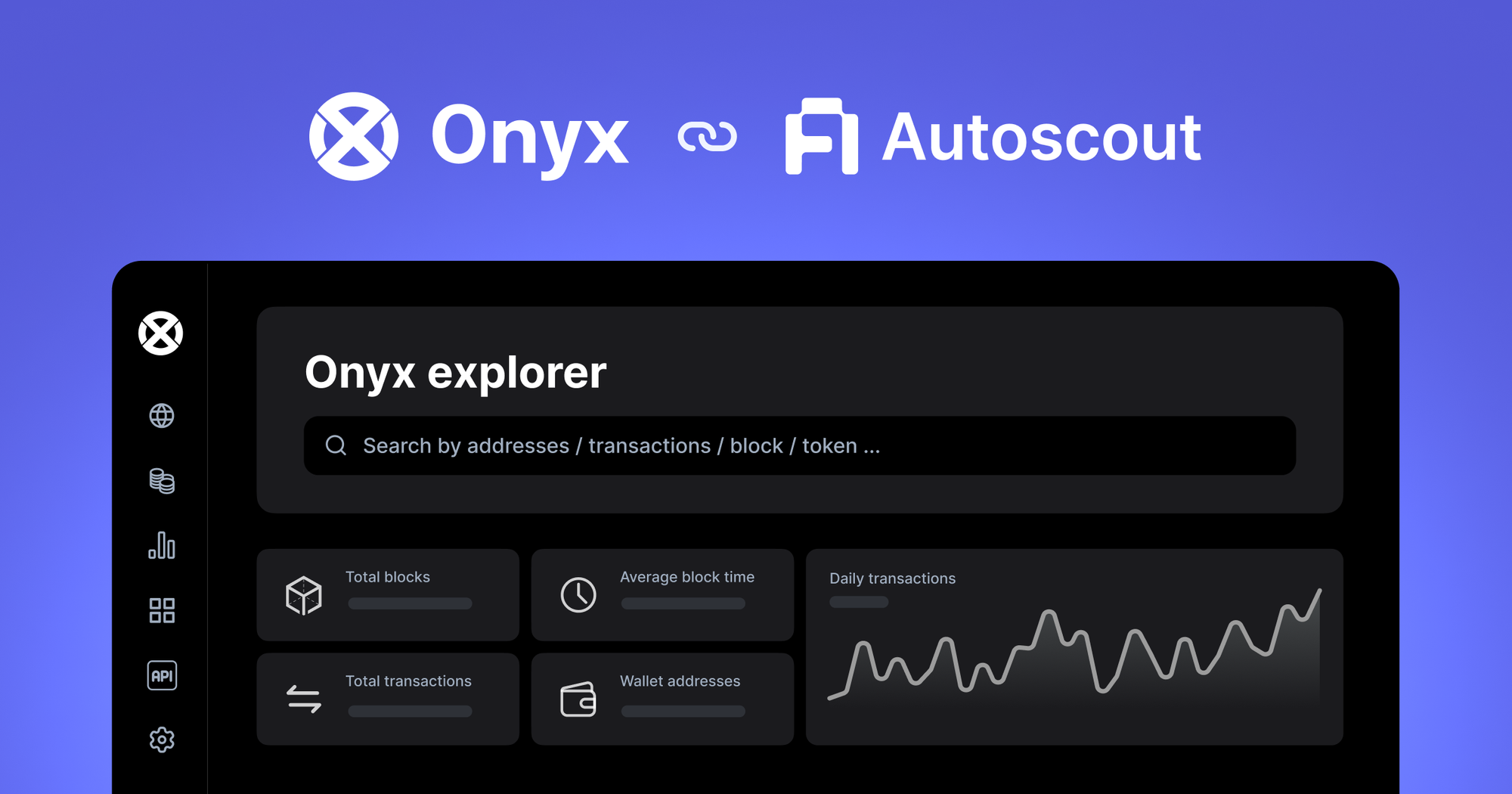
Autoscout is the leading deployment tool for spinning up a production-grade block explorer for any EVM chain. With Autoscout, chains don't need a dedicated devops team or expensive in-house hosting infrastructure. All it takes is an available RPC to set up an instance, add a few config details, and deploy in a matter of minutes. Autoscout handles the rest: indexing, hosting, and a user-friendly frontend, letting any chain go from "we need an explorer" to "here's our explorer" in a fraction of the time a custom build would take.
For teams launching a chain, a block explorer isn't a nice-to-have, it's essential infrastructure. It's how developers verify contracts, how users track transactions, and the first thing anyone points to as proof the chain is active and producing blocks.
Onyx used Autoscout to stand up their explorer, and their experience is a good example of what that setup process actually looks like in practice. We had a chance to connect with the team about their experience with Autoscout.
"Autoscout is a no-brainer for any chain with a standards-compliant RPC. It's as simple as that, an easy recommendation."
-The Onyx Team
Getting started
Hi guys, great to talk with you! Let's start with a quick intro for anyone who doesn't know Onyx yet, what are you building, and who's it for?
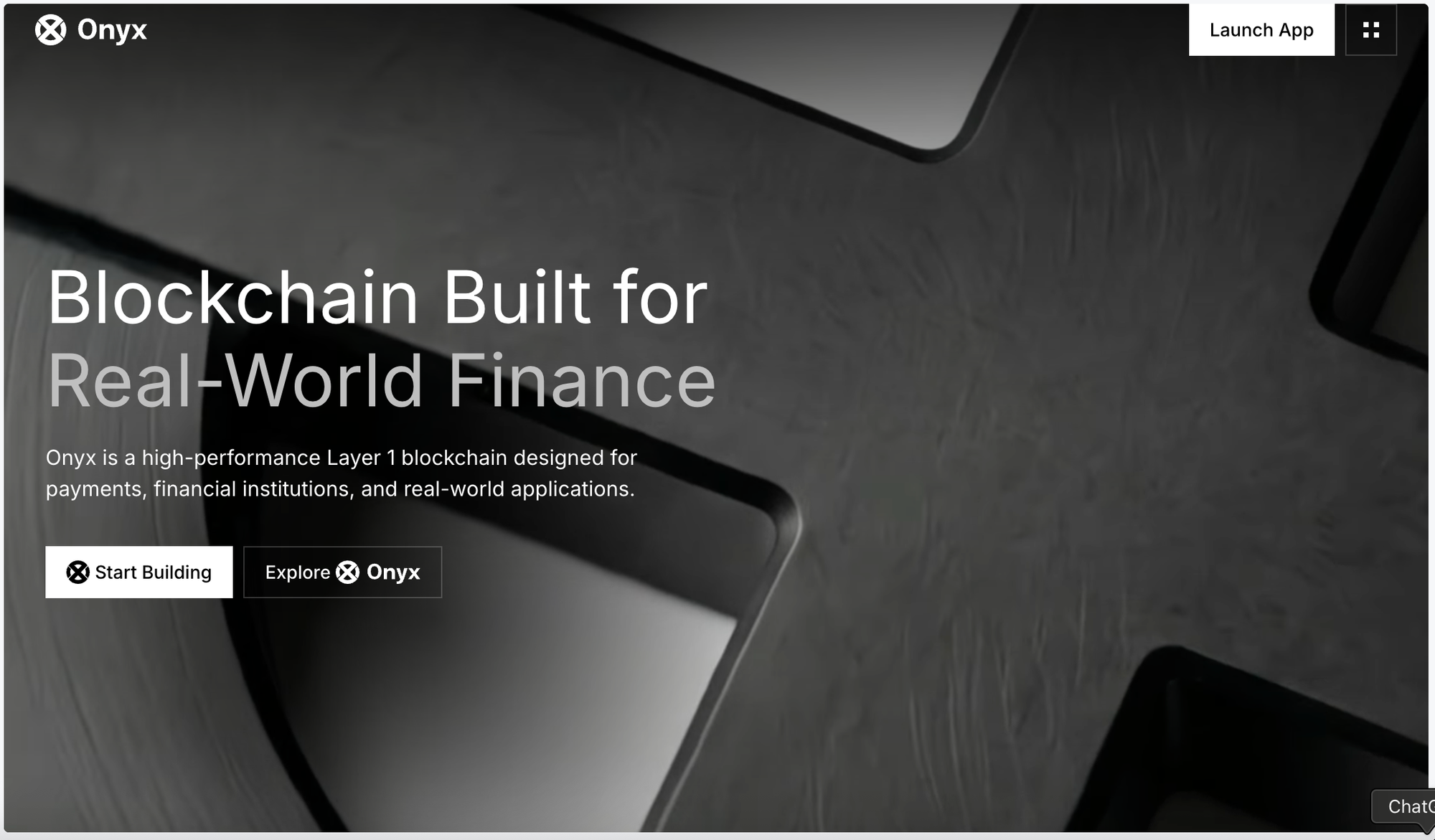
Onyx is building blockchain infrastructure powered by XCN for financial-grade applications. Onyx network combines fast finality, low fees, and EVM compatibility for developers, users, and enterprises that want to build and transact at scale.
When you got to the "we need a block explorer!" phase of the project, how did you make the decision to use Blockscout, and specifically Autoscout, for deployment of the explorer?
Blockscout already offered the familiar experience and developer tooling we wanted, including contract verification and strong APIs. We could launch a production explorer quickly.
Who ended up owning the explorer setup on your end? Was it DevOps, or did other team members get it going through the Autoscout console?
It was primarily our DevOps and infrastructure team that already managed the nodes, RPC, and DNS. The Autoscout console made the branding and general configuration accessible enough that it didn't all feel like specialist infrastructure work.
Setup
Be honest, how painful was getting Autoscout up and running? Walk us through what that actually looked like.
The setup was pleasantly painless: configure the network, connect the RPC, point the domain, and start indexing. Most of the work was actually on our side, making sure our EVM RPC behaved exactly as an Ethereum-focused indexer expects. We're really grateful for the personal help from the Autoscout team.

Did anything surprise you, either "wow that was way easier than expected" or "oh no, why is this so hard"?
Hosted deployment and DNS were easier than expected. We're really grateful for the additional development, tweaks, and personal touch from the Autoscout team. That was very important to us, because our network isn't Ethereum-based at its core.
For Autoscout to start indexing it needs an optimized RPC. Sometimes we'll host that at Blockscout, but often Autoscout users already have the RPC setup. In Onyx's case who is handling your RPC/node infrastructure? Did that end up shaping how you set up the explorer?
We operate the full stack ourselves, including validators, nodes, and regional JSON-RPCs. Autoscout connects to our optimized EVM RPC, so the explorer setup stays simple while we retain full control over RPCs.
How you're using it
What's your experience with the explorer on a day-to-day basis? How is your own team using it, and have you heard anything from other developers or users about the explorer experience?
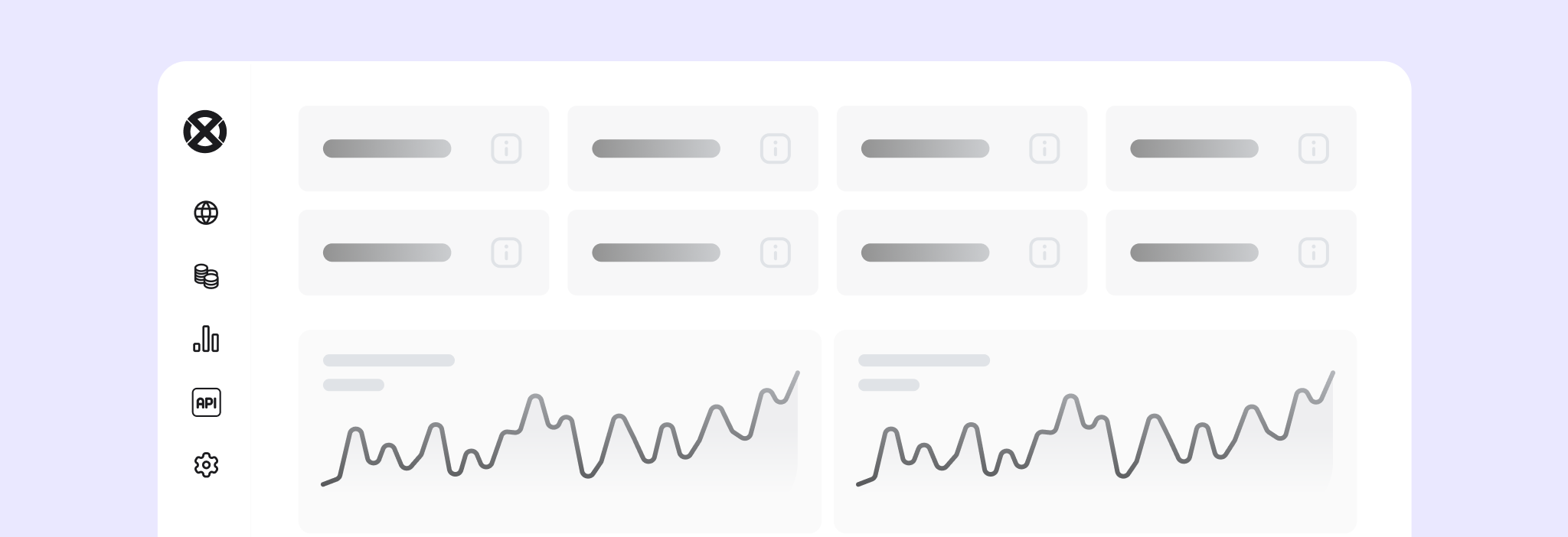
The explorer is our quickest answer to "did the transaction land, and what happened?" We use it for support, contract verification, debugging, and checking bridge, payment, staking, and DeFi activity. Developers and users appreciate that it feels familiar, works fast, and that transaction links are easy to share.
What customizations have you done with the explorer related to payments or other items? Have those been easy or hard to make happen, and what has been the process?
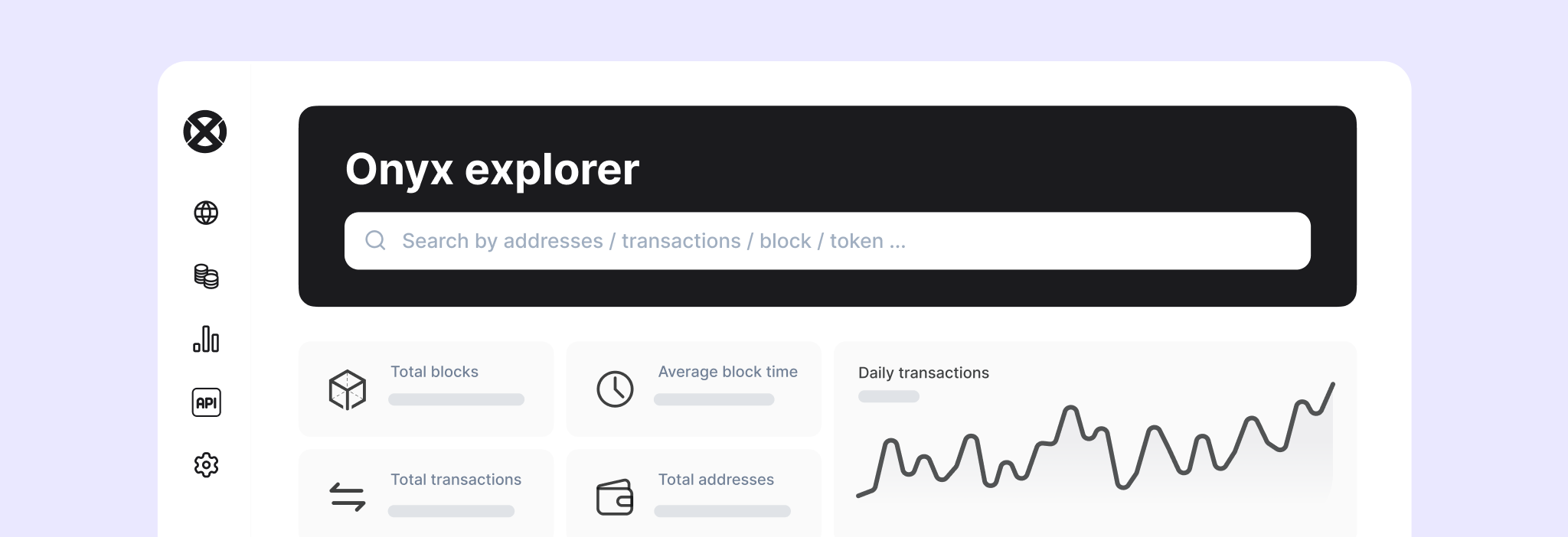
We configured the Onyx branding, XCN as the native currency, our custom domain and network details, contract verification, and token and LP metadata. The standard branding and network configuration were straightforward; historical indexing corrections and provider-managed metadata occasionally require coordination with the Blockscout team.
What's not working, what's next
Ok, another "be honest" question, what's been the most challengin part of using the explorer or of using Autoscout so far?
Probably needing provider assistance for a full reindex after resolving an upstream RPC or data issue. The RPC can be fixed immediately, but previously indexed data may remain stale until the explorer is rebuilt. Also, a full redeployment of the instance after adding banner text or making other minor changes can feel like a bit much.
Thanks for the feedback! We are constantly making tweaks to the infrastructure and working on streamlining the deployment process. What's been the best part about using Autoscout and Blockscout?
The time and operational effort it saves us. We get a maintained, feature-rich explorer that developers already understand without having to operate another database, indexer, API, and frontend ourselves.
If you had a magic wand and could get one thing added or fixed, what would it be?
A self-service reindex and diagnostics panel. Being able to reindex a selected block range and immediately see which RPC response caused a problem would be incredibly useful. Quick updates to the welcome/banner text, too.
What would you tell another team that's on the fence about using Autoscout?
Autoscout is a no-brainer for any chain with a standards-compliant RPC. It's as simple as that, an easy recommendation. Test blocks, receipts, logs, traces, and fee fields early. Autoscout removes the explorer deployment burden.
Thanks so much for your time!
How can folks reach the Onyx team?
We'd love to see more developers explore Onyx and build with us:
Website · Explorer · Documentation · X · Telegram · GitHub · info@onyx.org