
Scouting 2025: Dispatch from the Onchain Front
A 2025 year in review from Blockscout on block explorers, multichain infrastructure, onchain data, developer tools, and ecosystem adoption.

2025 was a year of momentum for Blockscout, shaped by a steady stream of launches, releases, builds, and integrations across the ecosystem.
At its core, Blockscout stayed focused on what it has always done best: providing clear, reliable visibility into onchain activity. But as the ecosystem continued to evolve, so did the role of block explorers.
Beyond simply supporting more networks, we increasingly helped users discover, understand, and make sense of what’s happening onchain.
Most importantly, none of this happened in isolation. This progress was made possible by everyone around Blockscout 💜
To our community, partners, chain teams, builders, and early adopters: thank you for building with us, pushing us forward, and trusting Blockscout as shared infrastructure for the ecosystem.
This review looks back at how Blockscout evolved alongside the ecosystem in 2025, shaped by scale, new products, and a growing responsibility that comes with being the most widely used explorer in crypto.
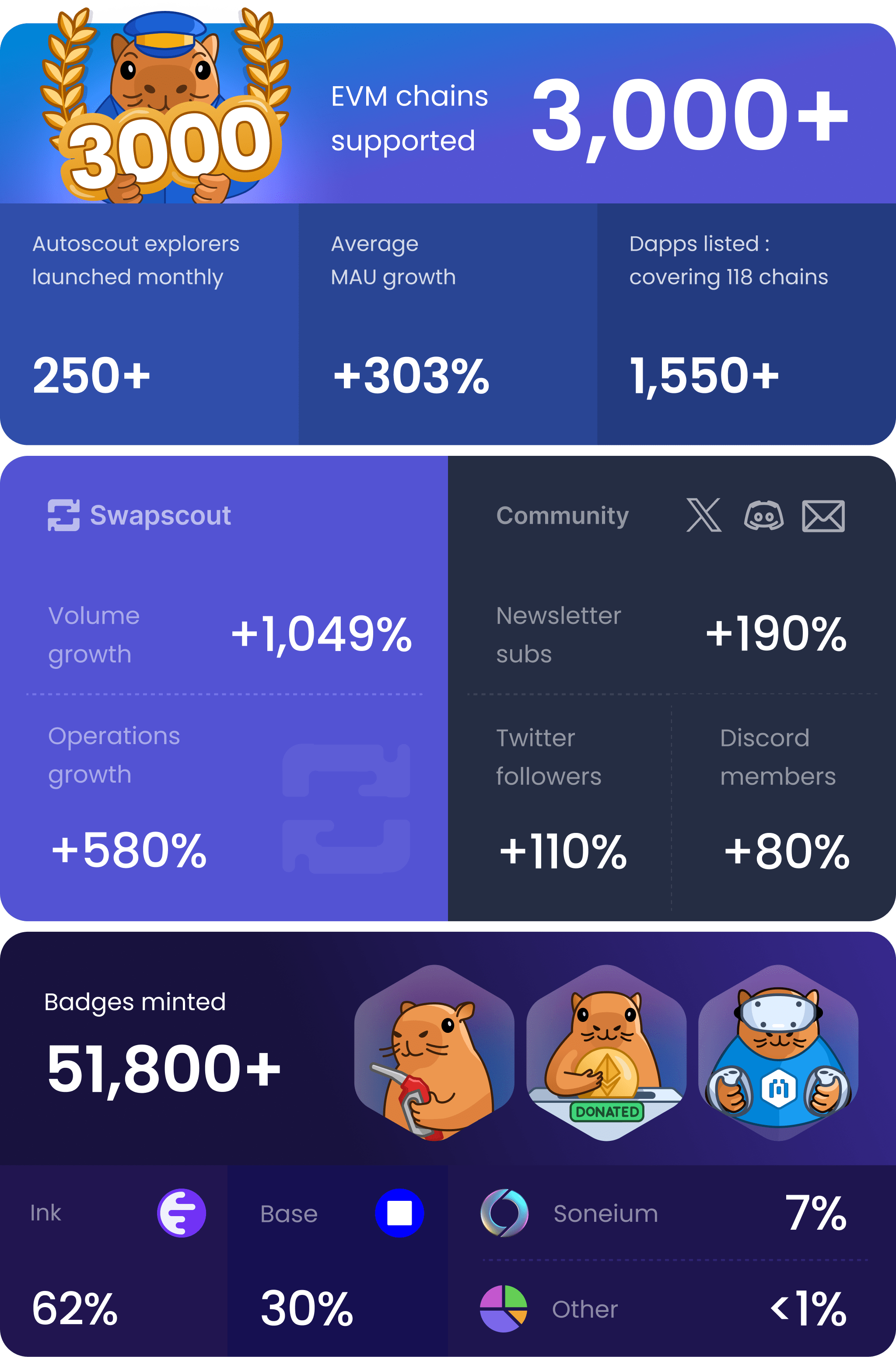
2025 in Numbers
Leadership and Direction: Starting the Next Chapter
Blockscout entered an exciting new chapter in 2025 with the appointment of Eva Zhang as Chief Executive Officer.
With prior experience leading Alipay UK, Eva joined Blockscout with a clear focus on long-term execution and strategic clarity. Her leadership reinforced what Blockscout has always prioritized: deep integration across the blockchain ecosystem, a strong technical foundation, and an honest understanding of how market dynamics are shifting.
This leadership transition reflected a broader move toward strategic, long-term thinking. As the industry matures and infrastructure becomes more deeply embedded in institutional and financial systems, Blockscout’s focus increasingly turned toward anticipating future needs, building tools that meet the ecosystem where it’s going, and preparing for what comes next.
 Joe
Joe
Unchained Growth
In 2025, Blockscout crossed the milestone of supporting 3,000+ chains, spanning mainnets, testnets, appchains, and Layer 2 networks.
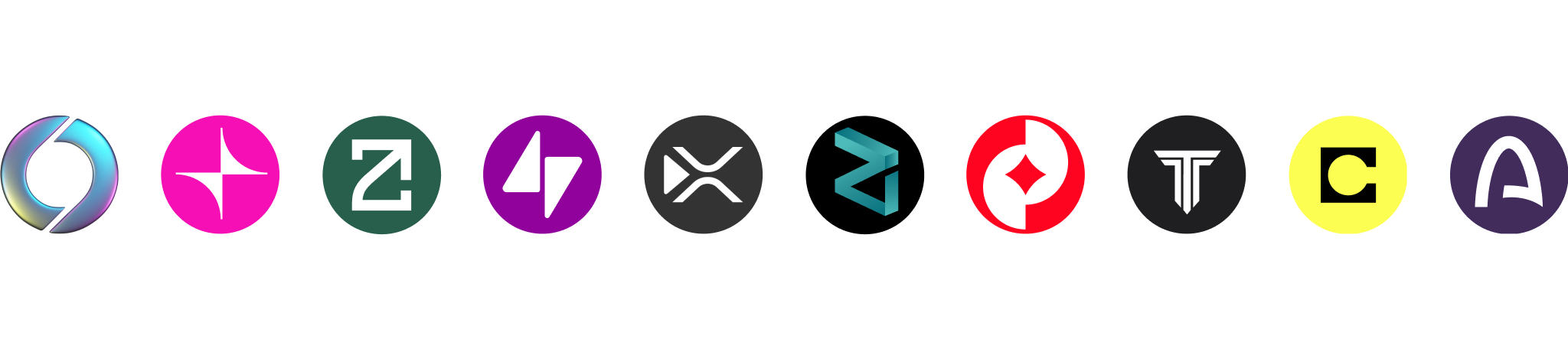
Across the year, Blockscout launched explorers as day-one infrastructure for major ecosystems including Soneium, Unichain, TAC, XRPL EVM Sidechain, Zilliqa, Circle’s Arc testnet, Tempo testnet, and MegaETH.
At the same time, we continued expanding our custom feature set to build alongside the roadmaps of networks like Zetachain, Optimism, Celo, and the broader Superchain ecosystem.
From Explorer to Product Suite
Autoscout: Self-Service Block Explorer
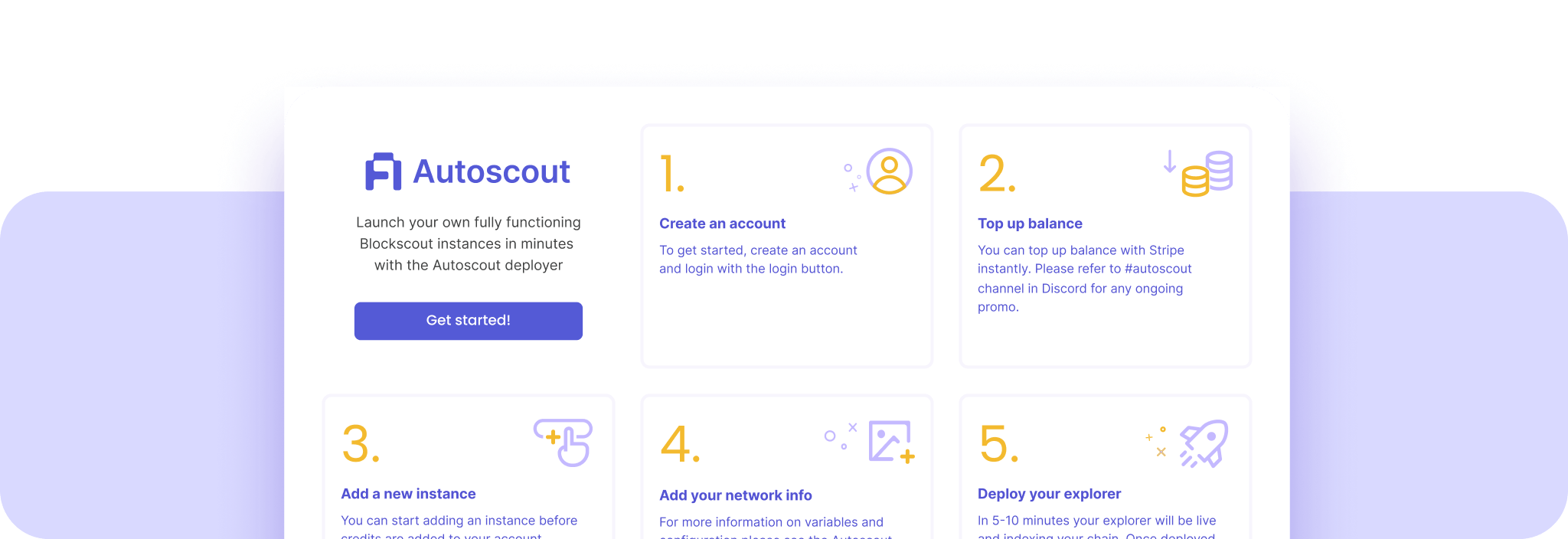
In 2025, Blockscout officially launched Autoscout, a self-service way to deploy a fully functional block explorer in minutes.
Autoscout was built for the reality of today’s ecosystem. RaaS providers can bundle explorers directly into their infrastructure offerings without starting from scratch. Chain developers can launch an explorer ahead of mainnet, supporting onboarding and contract verification from day one. Builders and testers can validate EVM compatibility and experiment with smart contracts using a live, indexed explorer.
By removing much of the operational overhead traditionally associated with launching an explorer, Autoscout lets teams focus on building their networks, while still giving users reliable onchain visibility from the very beginning.
How to Create a Block Explorer in 5 Minutes with Autoscout
How to Deploy a Rollup Block Explorer on OP Stack, Arbitrum, and zkEVM
How Gas.zip Used Autoscout to Win the Multichain Race
Multichain Discovery and Search
As multichain usage became the default, discovery emerged as one of the ecosystem’s biggest challenges.
We continued improving multichain search, allowing users to look up addresses, transactions, and dapps across supported networks from a single entry point. Instead of treating fragmentation as something users should work around, we approached it as a design problem to solve, focusing on making onchain discovery simpler, faster, and more unified across chains.
Wallet-as-a-Service Pilot
Blockscout also contributed to broader ecosystem conversations around onboarding through a Wallet-as-a-Service pilot program.
This initiative explored how embedded wallets, simplified key management, and smoother onboarding flows could lower barriers for new users and support network growth.
While still early, this work reflects our interest in how explorers, wallets, and applications can work more closely together. Work in this area is ongoing, and we’re excited to share more as it develops.
Chainscout and Ecosystem Visibility
Chainscout is a registry-style view of supported networks.
It has never been easier for users and builders to understand where Blockscout is active and how different ecosystems fit together. By providing a higher-level view across chains, Chainscout helps navigate an increasingly crowded landscape.

Enriching the Explorer Experience
Alongside scale and new products, we focused on making explorers easier to use and understand by adding more context, insight, and practical tools.
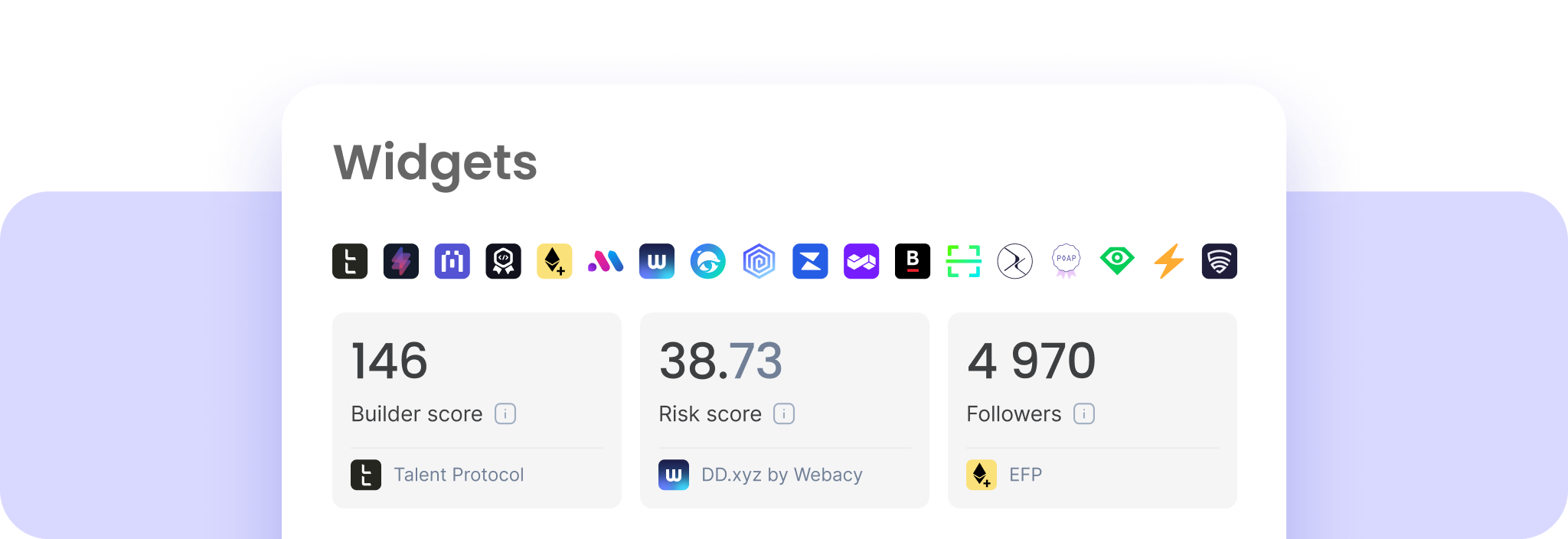
Widgets and Onchain Context
Blockscout introduced Widgets as explorer-native enhancements that add meaningful context to contract and address pages. By surfacing activity, history, and identity more clearly, widgets make onchain data easier to interpret.
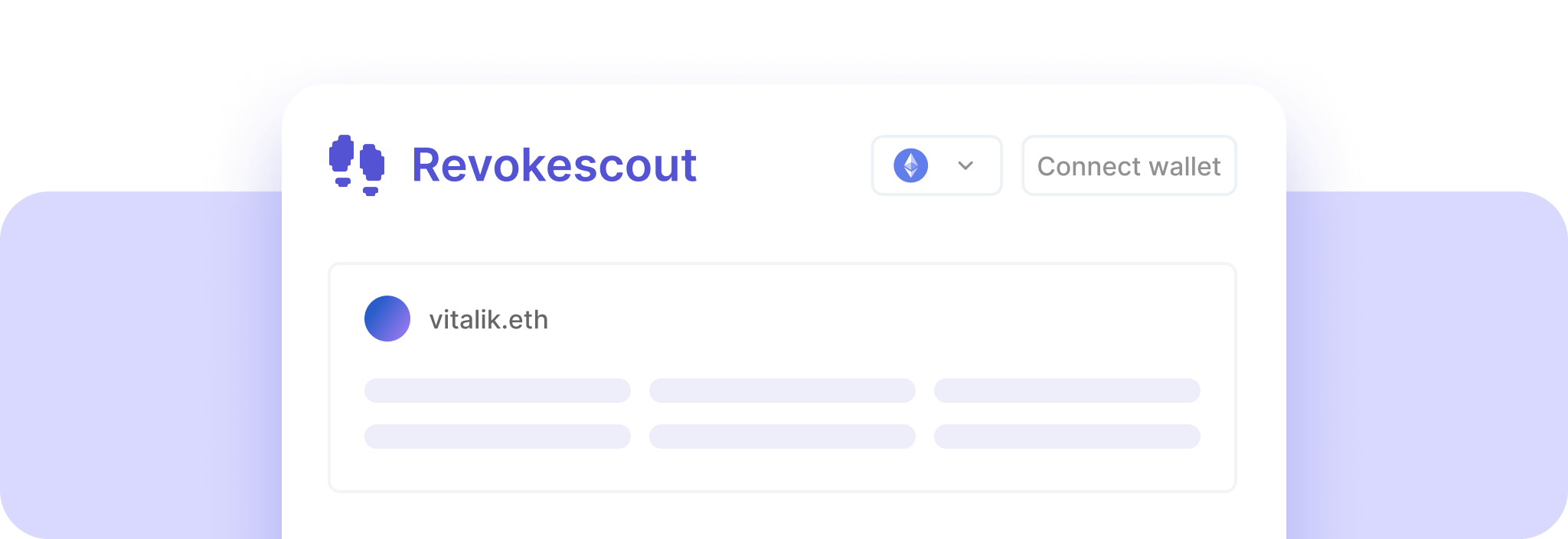
Revokescout
Revokescout gives users a clearer view of token approvals and permissions, making it easier to understand and manage what access smart contracts have to their assets.
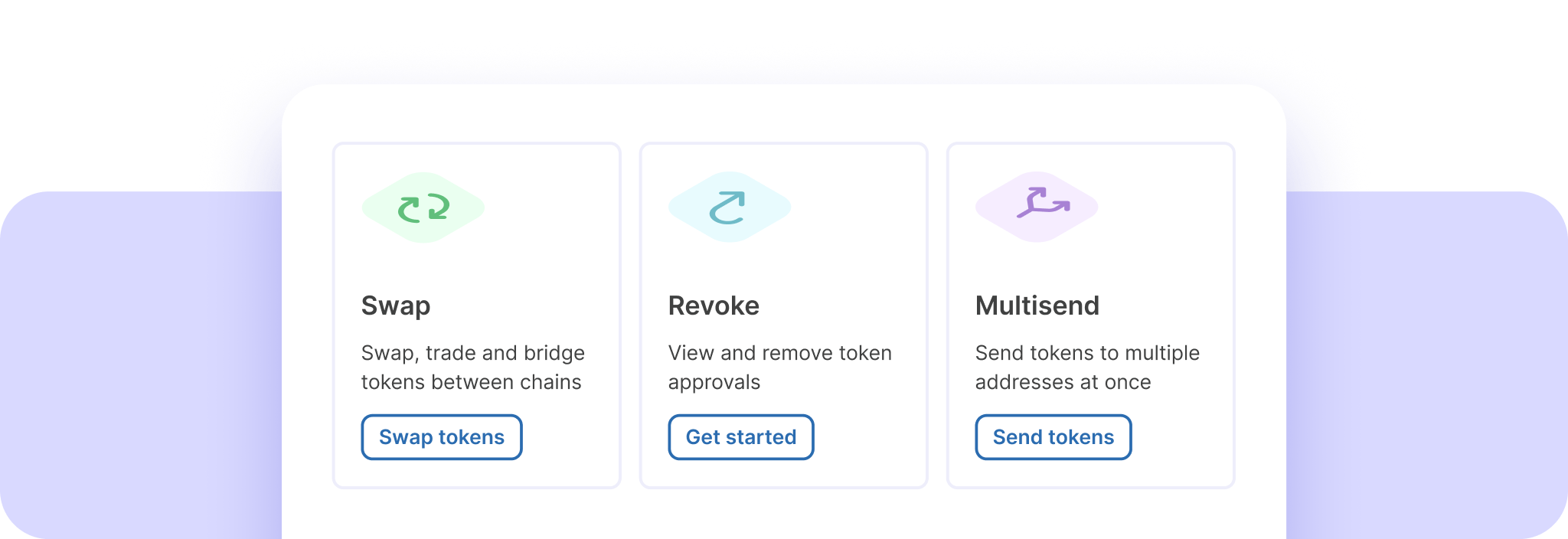
Essential Dapps
Essential dapps are built directly into the dapp marketplace, giving users simpler ways to perform common onchain actions without leaving the explorer.
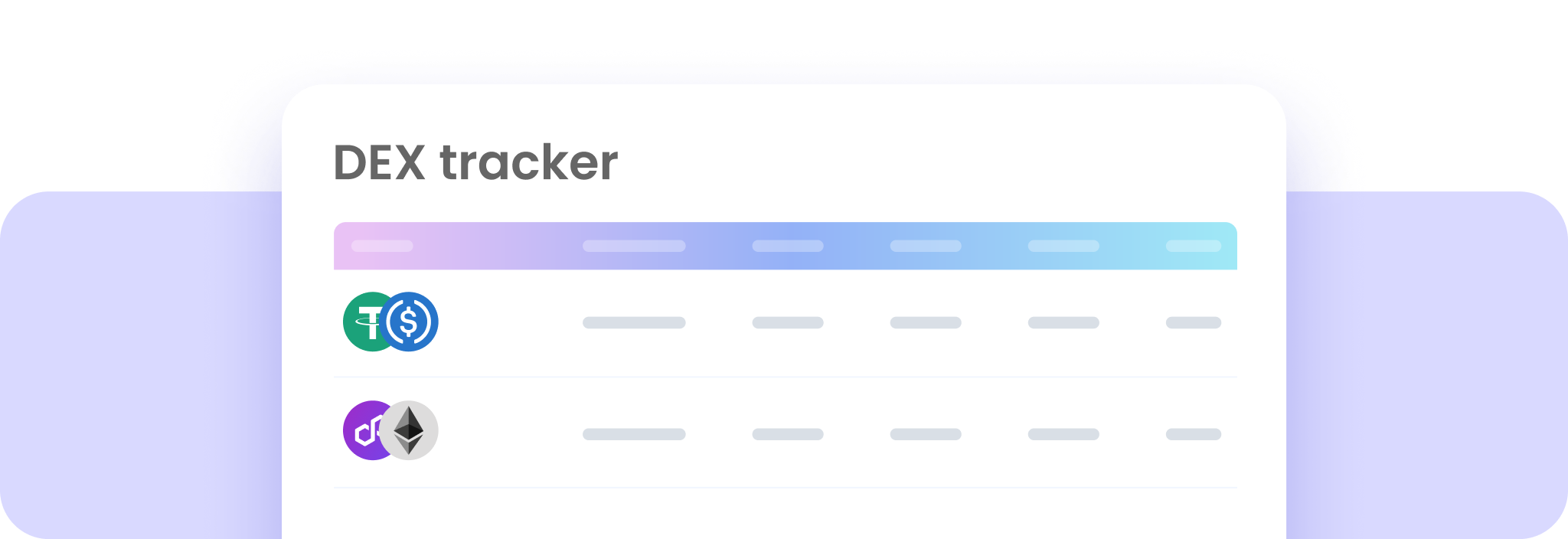
DEX Tracker
Blockscout partnered with GeckoTerminal to power accurate DEX tracking, surfacing liquidity pools and token-level insights directly from onchain data.
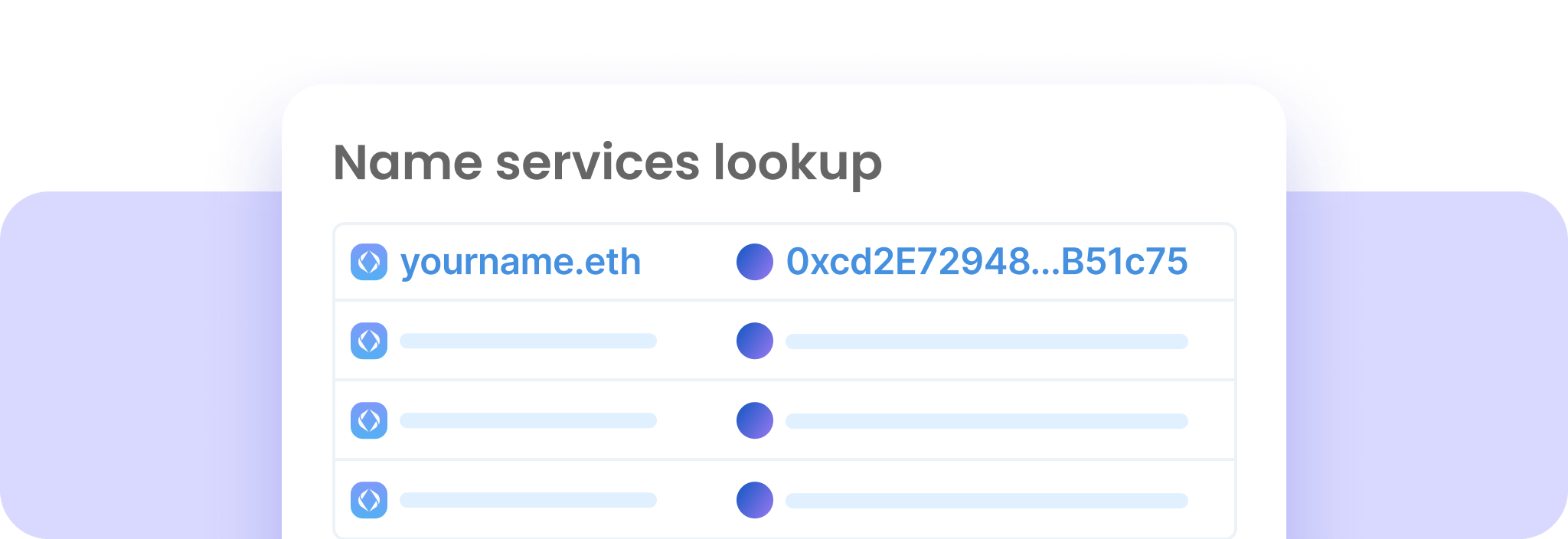
Domain Name Integrations
To make onchain activity easier to recognize, Blockscout expanded support for domain name systems like ENS, Space ID, InfinityName, and ZNS, resolving human-readable names directly in the explorer.
Pectra: Verifying Ethereum Predeploy Contracts
To improve transparency at the protocol level, Blockscout expanded contract verification to include Ethereum predeploy contracts introduced with the Pectra upgrade, making these system contracts readable and verifiable directly within the explorer.
Bloctopus integration
Blockscout integrated with Bloctopus so every devnet includes an explorer out of the box, giving builders instant visibility into blocks, transactions, and contracts from the very first block.
Celestia Data Availability Support
Support for Celestia-based blob storage was added in collaboration with the Celenium explorer, linking L2 transaction batches with data posted to Celestia’s DA layer for clearer cross-layer visibility.
Open Labels (OLI) Address Tags
Address labels from Open Labels (OLI) were integrated to add community-sourced context directly within the explorer, helping users better understand who or what they’re interacting with onchain.

When AI Met Blockchain
As AI moved closer to onchain data, we focused on preparing explorer data for programmatic, automated, and AI-driven use.
Through a multi-part series on Model Context Protocols (MCP), we explored how onchain data could be structured, contextualized, and made machine-readable. A practical setup guide followed, showing how developers can already work with machine-consumable onchain data today.
MCP Explained - Index
X-Ray, Blockscout’s GPT-powered analyst agent, marked a more hands-on step in applying AI to onchain data. Built on real explorer data, X-Ray can navigate across chains, query Blockscout APIs, and perform deep analysis of wallets, contracts, tokens, NFTs, and network activity.

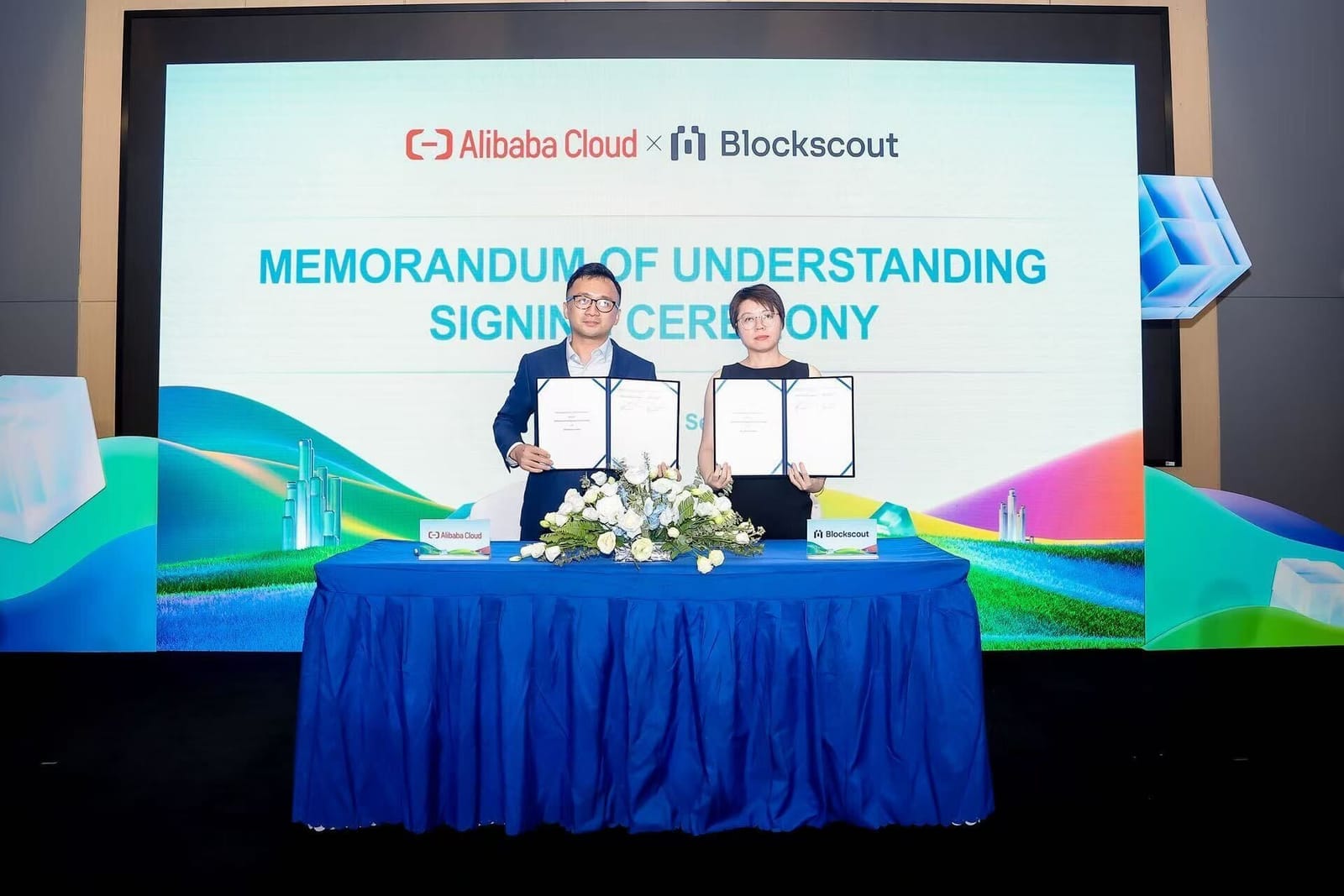
A partnership with Alibaba Cloud focused on making Blockscout’s structured onchain data easier to access within broader AI and cloud ecosystems, allowing the same data to be consumed by analytics pipelines and intelligent systems at scale.
Blockscout in the Wild
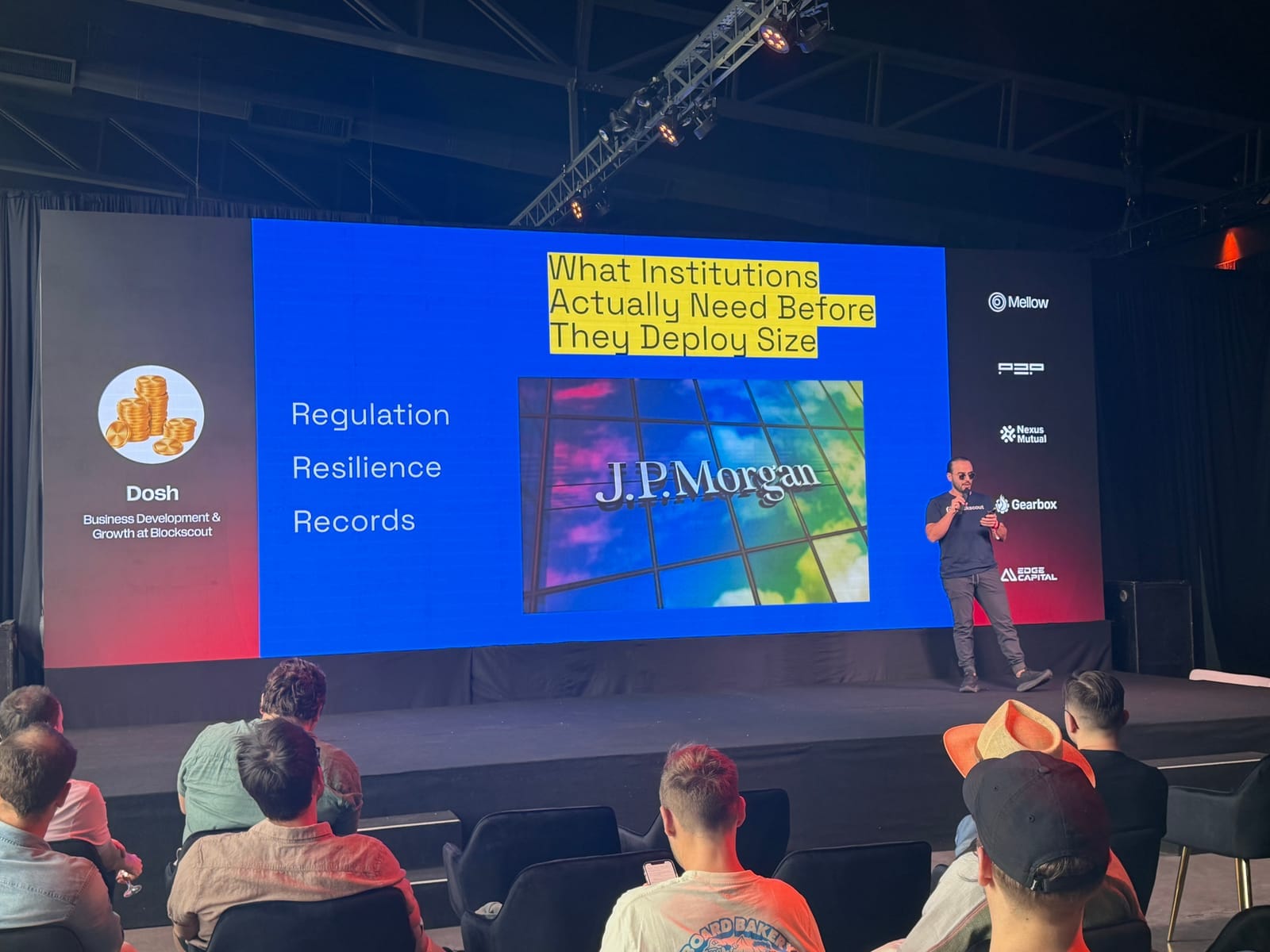
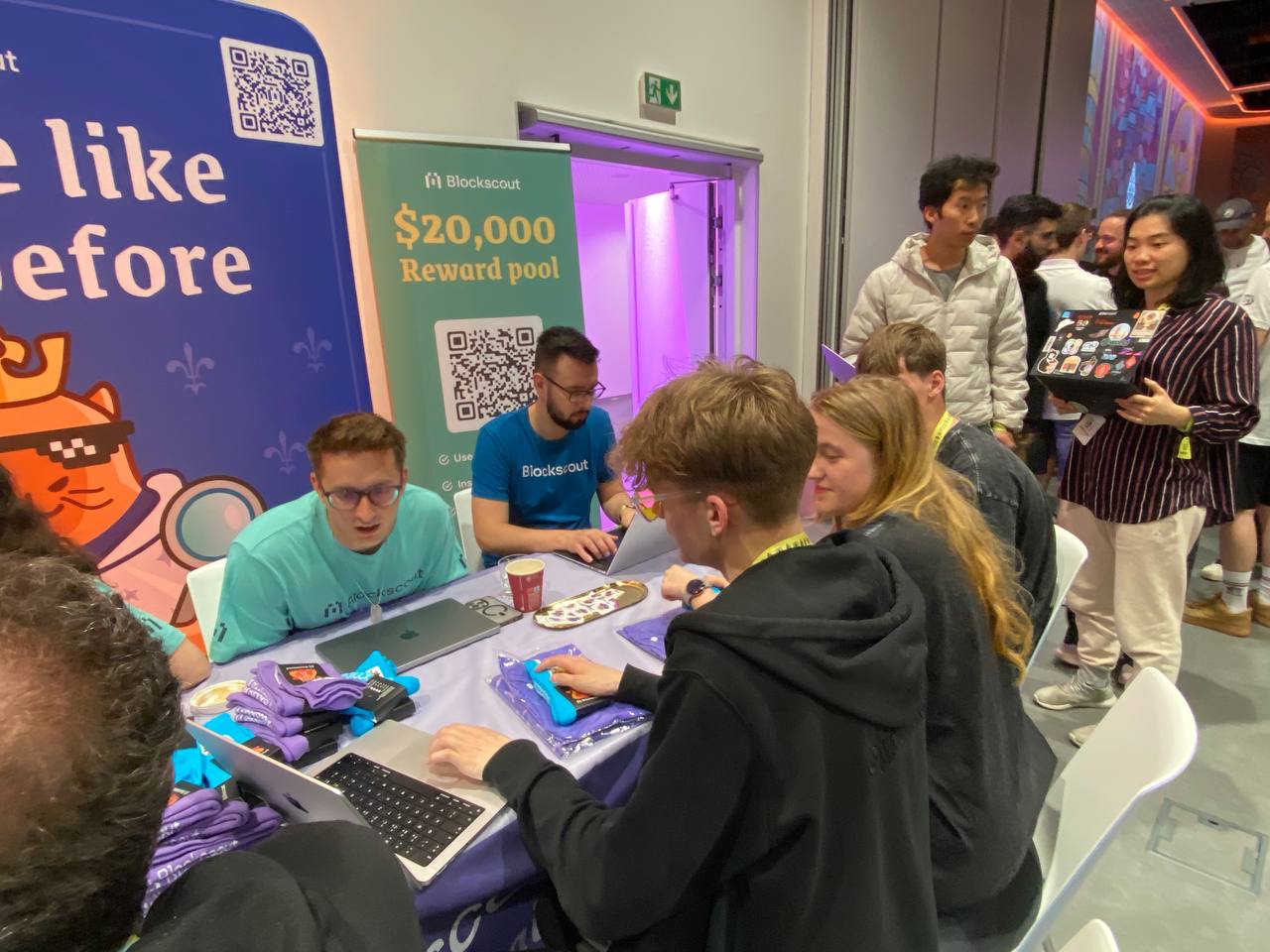
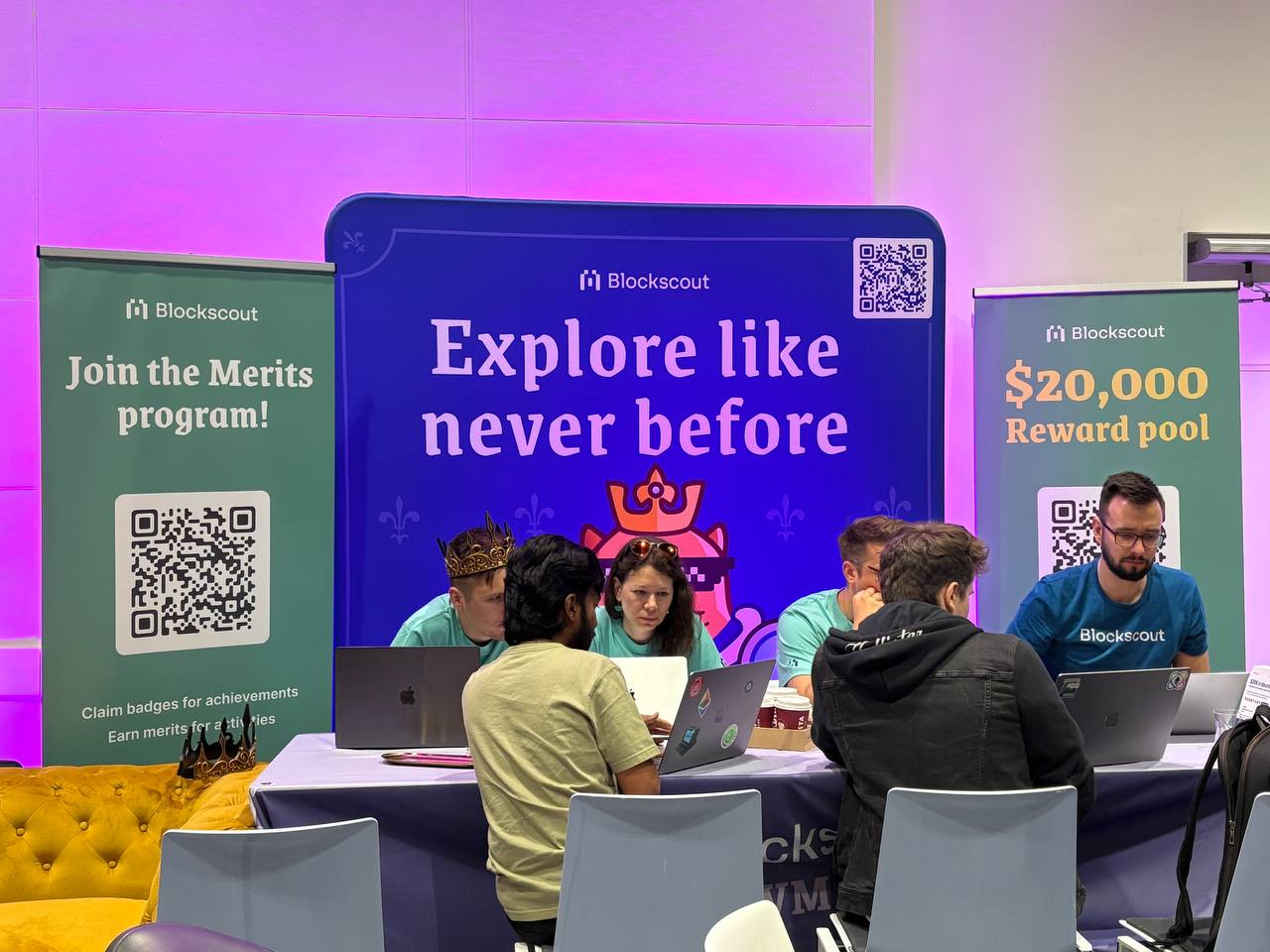
Blockscout has always been shaped by conversations with the people using it. In 2025, that meant showing up where builders, operators, and ecosystem teams already were.
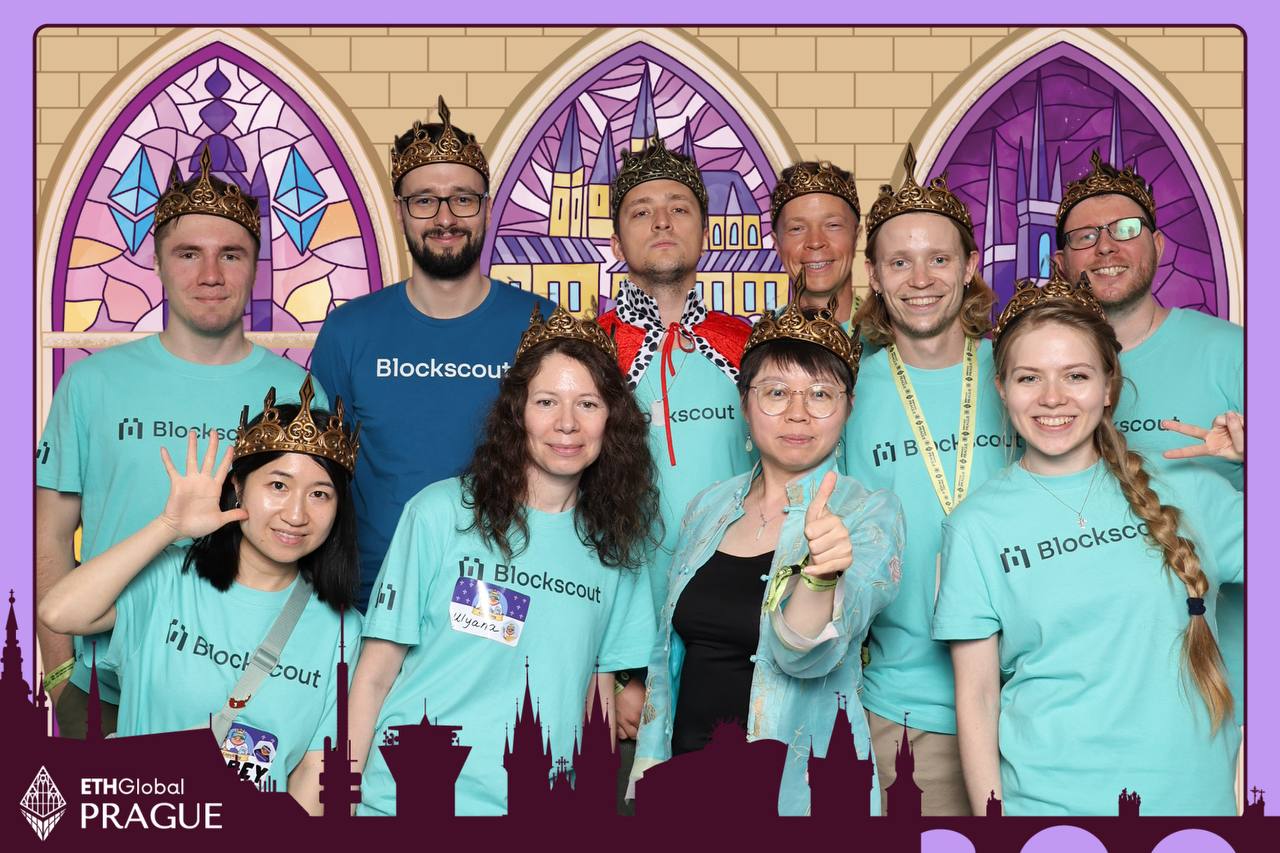
Time spent at ETHGlobal hackathons meant building alongside some of the hardest-working hackers in the business, while public goods funding rounds with Octant, Giveth, and Gitcoin, and the launch of our own Touching Grass round, helped impact-focused projects reach more people.
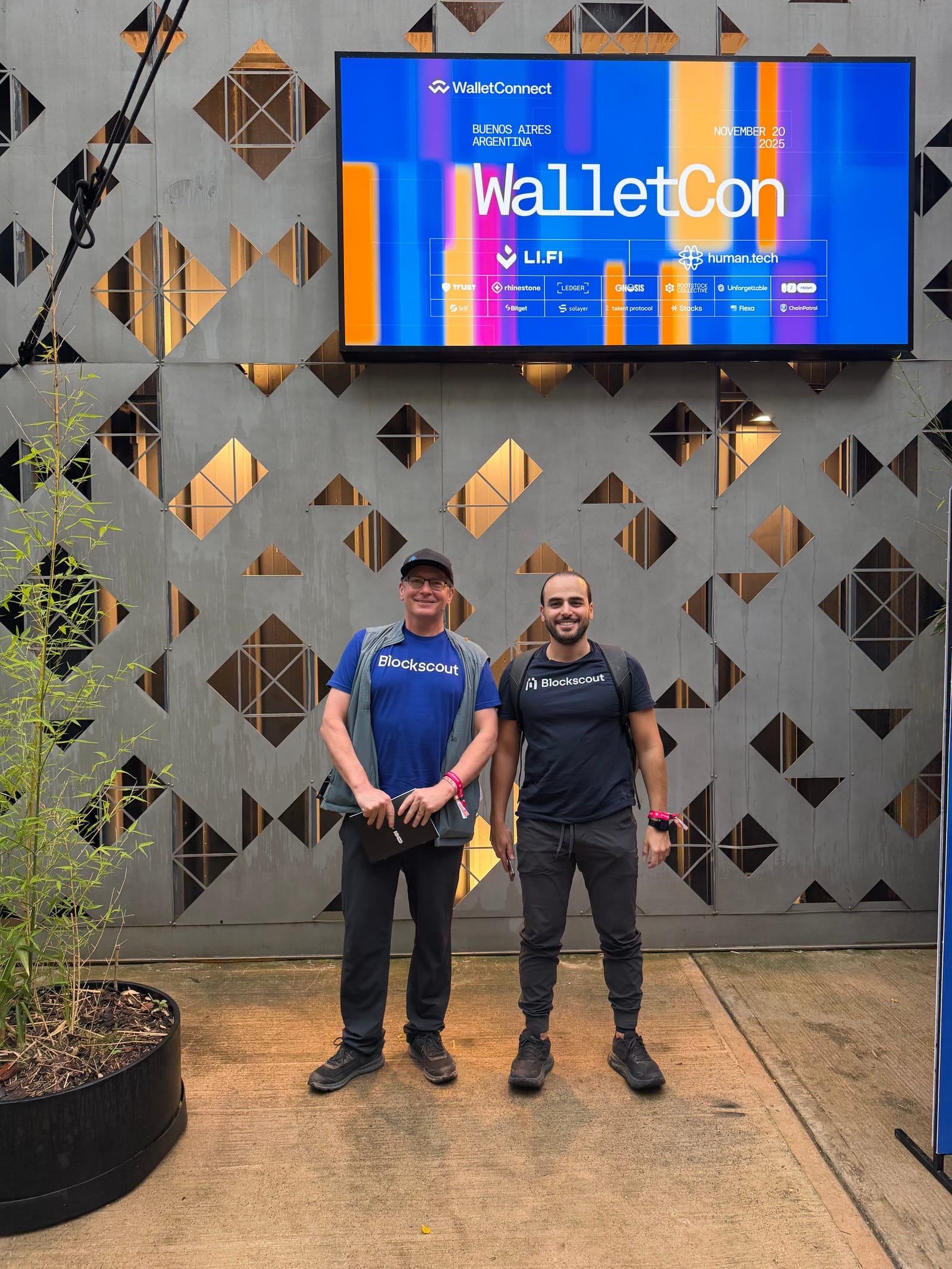
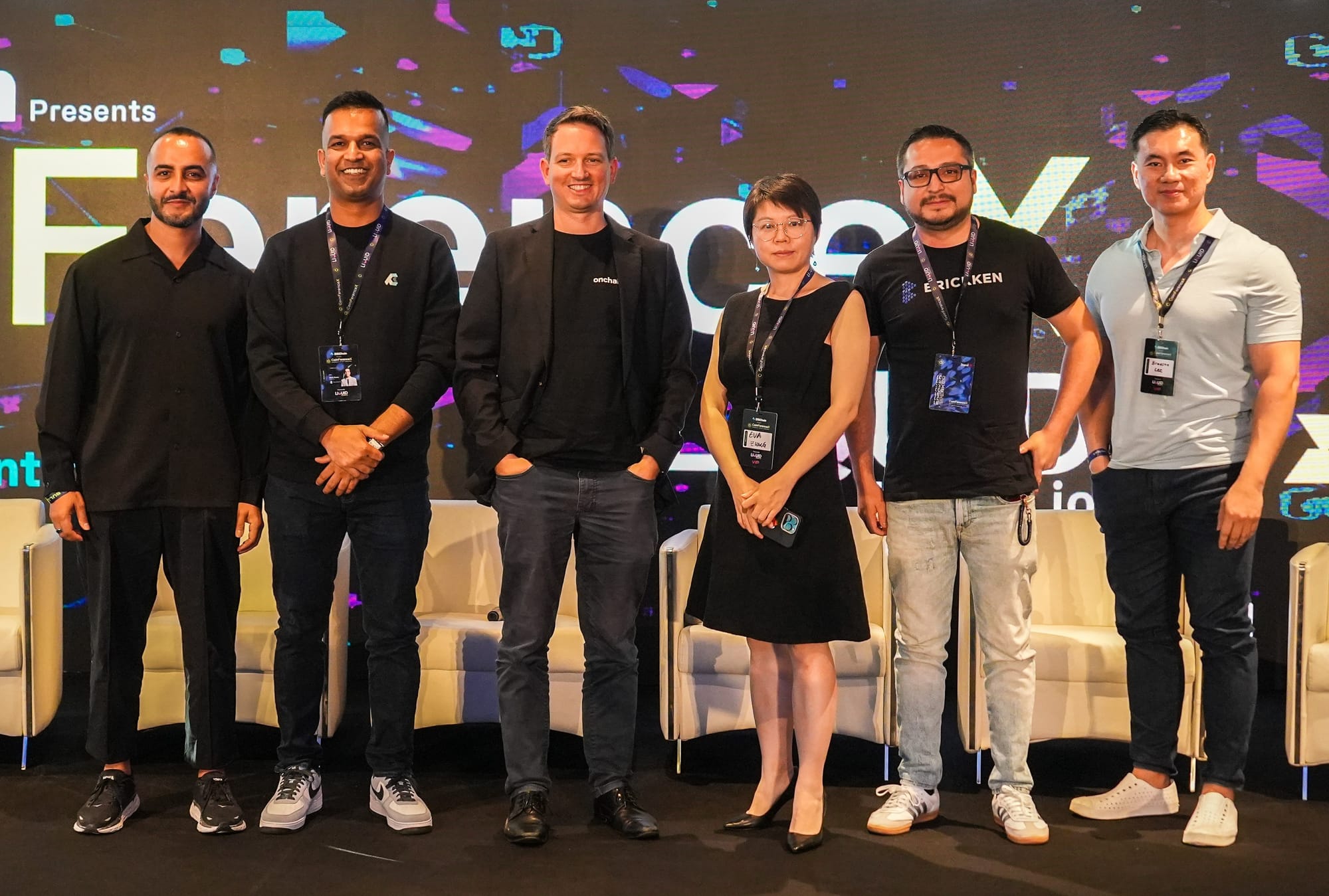
At EthCC, Token2049, and Devconnect, we spent time with both familiar faces and new teams, talking through real-world challenges around privacy, usability, and how onchain tools are actually used in production.
Across these conversations, it became clear that institutional activity in crypto is no longer a promise about the future. Use cases like RWAs, stablecoins, and onchain payments are being discussed in operational terms, with growing attention on how global systems adapt to local regulatory, compliance, and data transparency realities.
Our CEO Eva Zhang shared her reflections on these shifts and how they reinforce the direction Blockscout is already building toward.


A Cite to Behold
Across 2025, Blockscout’s onchain data and perspectives were cited across industry media:
MilkRoad
Blockscout makes Top Pick as best EAAS provider.
Blockchain Reporter
Our approach to AI & institutional demand.
Decrypt
Analyzing the impact of Fusaka upgrade.
CryptoRank
Guide to using Blockscout for data-driven trading.
CoinDesk
Onchain data suggest delayed altcoin cycle.
Tech in Asia
Blockscout appoints former Alipay UK executive as CEO.
Blockworks
Looking back on Ethereum’s first decade.
The Defiant
Uniswap Labs introduces a DeFi-focused Ethereum L2.

What’s in Store for 2026?
Multichain is no longer something to explain. It’s how people already work.
The opportunity ahead is making that experience feel more coherent, where discovery, visibility, and understanding flow naturally across networks. As onchain activity continues to intersect with institutions, finance, and real-world systems, the need for dependable, transparent infrastructure only grows. Helping to build the systems that make that trend the norm remains central to what Blockscout does.
As AI becomes a more natural way to explore and interpret onchain activity, explorers themselves begin to change shape, becoming more active participants in how information is understood.
The themes aren’t new, but the stakes are higher. Blockscout enters 2026 focused on doing what it has always done, just at a larger scale, with more responsibility, and with a clearer view of where the ecosystem is headed.